Be yourself; Everyone else is already taken.
— Oscar Wilde.
This is the first post on my new blog. I’m just getting this new blog going, so stay tuned for more. Subscribe below to get notified when I post new updates.
Be yourself; Everyone else is already taken.
— Oscar Wilde.
This is the first post on my new blog. I’m just getting this new blog going, so stay tuned for more. Subscribe below to get notified when I post new updates.
Sometimes, an individual with a normal income cannot fulfill his commitments. Your debts can be overwhelming and far beyond your earnings. In those cases, bankruptcy protection under Chapter 13 may be the best option.
What is bankruptcy under Chapter 13?
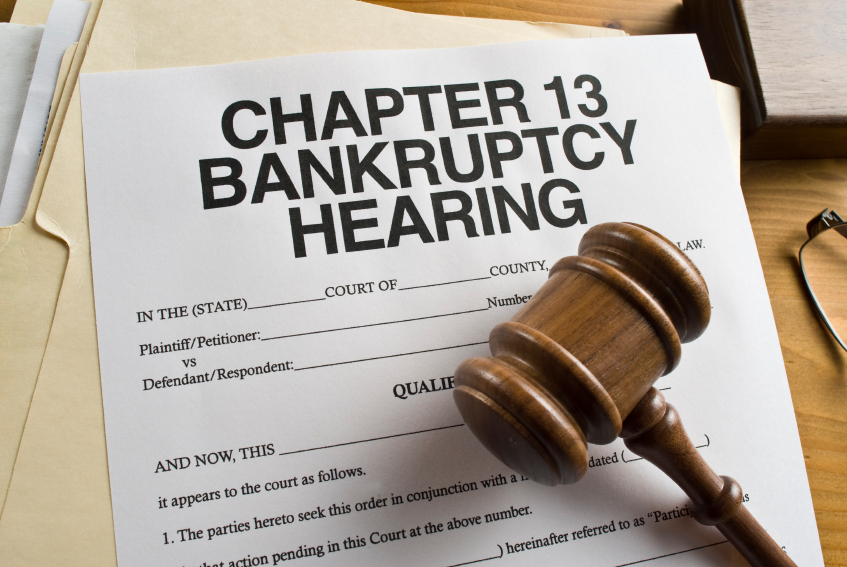
Bankruptcy protection under Chapter 13 New York allows individuals with regular income to develop a plan to pay off their debts over a period. The debt reparation plan is usually for a period of three to five years. Bankruptcy law prohibits a plan designed for more than five years.
How does bankruptcy work under Chapter 13?
If you are looking for Chapter 13 Bankruptcy Filing, then you must ensure that they have met the credit counseling requirement that is necessary for your bankruptcies. There are exceptions to this rule if there is an emergency situation.
When filing for Chapter 13 bankruptcy, the individual must include all documents required by the court and information about their income, expenses, debts, and assets. Tax returns and proof of receiving credit counseling are also required, as well as all applicable filing fees and court costs.
After all, documents have been submitted and fees have been paid, the court will appoint an impartial trustee to oversee the case. The trustee will supervise everything related to the case, from the evaluation of the information provided by the debtor to the disbursement of payments to creditors in accordance with the payment plan approved by the court.
What are the advantages of bankruptcy under Chapter 13?
There are several associated benefits filed for bankruptcy under Chapter 13 if the ratio between your debts and income makes it impossible to fulfill your obligations as a debtor. First, once you request protection from Chapter 13 bankruptcy, your creditors must suspend most of your collection attempts. Collection attempts are only allowed in certain specific circumstances described by federal bankruptcy law.
Chapter 13 can be used to protect real estate from being seized. The request for protection of Chapter 13 will temporarily stop the foreclosure procedures and allow the debtor to be up to date with their mortgage payments for a defined period.
Another advantage of bankruptcy under Chapter 13 is that it puts the debtor back in control of his situation. It is the debtor who proposes the payment plan to the court. Although creditors have the right to object to the plan, in which case the plan must be approved by a bankruptcy judge, it is the debtor who makes the initial proposal and who must express his agreement with all revisions of the proposal.
Bankruptcy under Chapter 13 is a complicated legal matter. However, when it is finished, the debtor is free from all obligations to the creditors involved in the bankruptcy proceedings and can begin to rebuild his credit score and financial life.
Do I need a lawyer to file a Chapter 13 bankruptcy?
Although you don’t need a lawyer to file for low-cost Chapter 13 bankruptcy, it is strongly recommended to have a qualified bankruptcy lawyer to help you through the process. A lawyer will be there to help answer questions such as whether you qualify or not for Chapter 13 and to know exactly what your financial obligations are after you have concluded your Chapter 13 bankruptcy.
Finally, filing for bankruptcy is a complex process. A bad move can affect your chances of successfully achieving your financial goals.
Talk to a qualified bankruptcy lawyer chapter 13 today
This blog post is intended to be useful and informative, but legal issues can become complicated and stressful. A qualified chapter 13 bankruptcy lawyer can meet your particular legal needs, explain the law and represent you in court. Take the first step now and contact a qualified chapter 13 New York bankruptcy lawyer to discuss your particular legal situation.
This is an example post, originally published as part of Blogging University. Enroll in one of our ten programs, and start your blog right.
You’re going to publish a post today. Don’t worry about how your blog looks. Don’t worry if you haven’t given it a name yet, or you’re feeling overwhelmed. Just click the “New Post” button, and tell us why you’re here.
Why do this?
The post can be short or long, a personal intro to your life or a bloggy mission statement, a manifesto for the future or a simple outline of your the types of things you hope to publish.
To help you get started, here are a few questions:
You’re not locked into any of this; one of the wonderful things about blogs is how they constantly evolve as we learn, grow, and interact with one another — but it’s good to know where and why you started, and articulating your goals may just give you a few other post ideas.
Can’t think how to get started? Just write the first thing that pops into your head. Anne Lamott, author of a book on writing we love, says that you need to give yourself permission to write a “crappy first draft”. Anne makes a great point — just start writing, and worry about editing it later.
When you’re ready to publish, give your post three to five tags that describe your blog’s focus — writing, photography, fiction, parenting, food, cars, movies, sports, whatever. These tags will help others who care about your topics find you in the Reader. Make sure one of the tags is “zerotohero,” so other new bloggers can find you, too.

 Mid Town Bankruptcy